
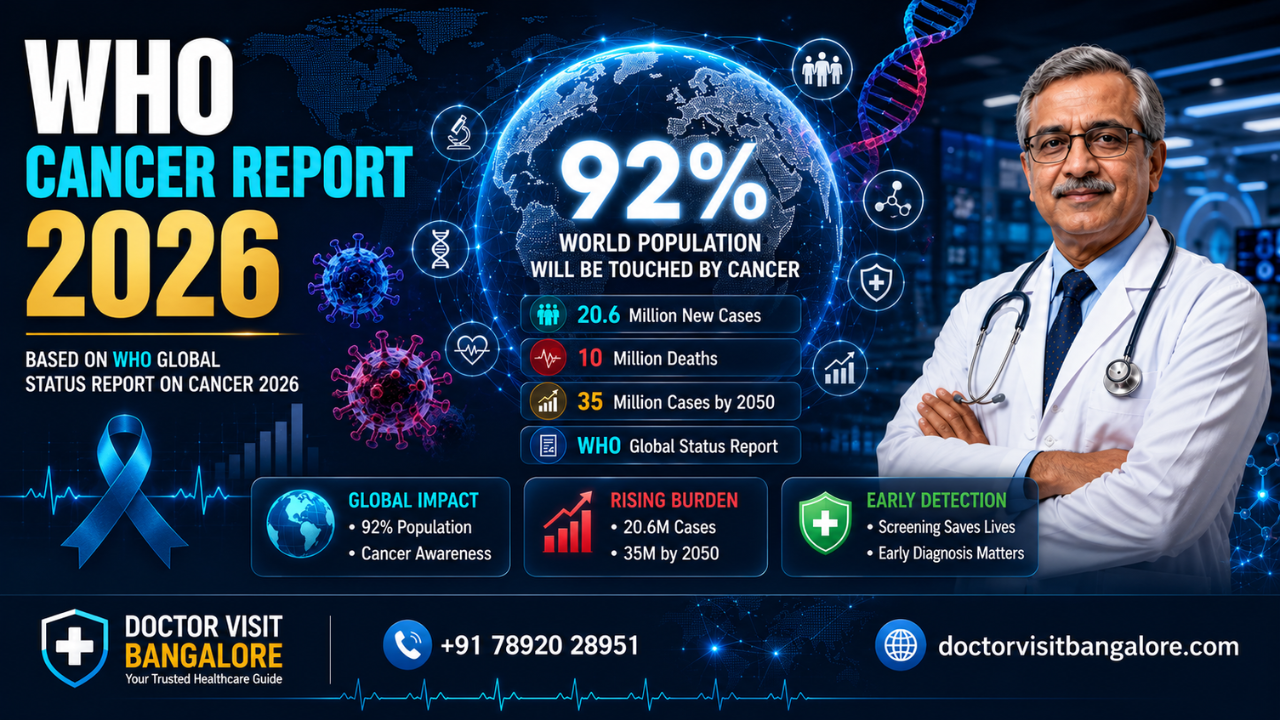
On 8 July 2026, the World Health Organization (WHO) released the Global Status Report on Cancer 2026 — and the headline stopped the world: 92% of the global population will be touched by cancer, either through their own diagnosis or through a close family member. This is no longer a disease of the unlucky few. It is a universal human experience.
Yet the report delivers a sharp and painful second truth: where you are born matters more than the biology of your cancer. Your chance of surviving breast cancer is more than twice as high if you live in a wealthy country versus a poor one. For children with leukaemia in Europe, survival is 93%. In parts of sub-Saharan Africa, it is 19%.
of the world’s population will experience cancer
Either through their own diagnosis or through a close family member — WHO Global Status Report 2026
What Is the WHO Global Status Report on Cancer 2026?
The Global Status Report on Cancer 2026 is only the second such report ever published by the WHO — the first was in 2020. Released on 8 July 2026, it is the most comprehensive global assessment of cancer burden ever conducted. It covers cancer incidence and mortality across countries, survival rates, healthcare system preparedness, preventable risk factors, and policy recommendations.
“The inequities documented today are not inevitable — they are the consequence of choices. By choosing science over misinformation and equity over fragmentation, the world can ensure that surviving cancer no longer depends on what a person earns or where they were born.” — WHO Global Status Report on Cancer 2026
The report delivers two parallel stories: on one side, unprecedented scientific advances in cancer prevention, early detection, and treatment. On the other, persistent and widening inequities in who benefits from those advances. The gap between rich and poor countries in cancer survival is not shrinking — it is growing.
The Shocking Survival Gap — Where You Live Determines Whether You Live
For the first time, WHO has produced country-comparable estimates of five-year survival for breast cancer and childhood cancers — and the results are devastating in their clarity.
🇮🇳 What the WHO Cancer Report Means for India
India is at a critical inflection point in the cancer story. The WHO report places India among the six countries that together account for two in every five children worldwide who lose their mothers to cancer. Nearly half of such children are in Asia, with breast and cervical cancers accounting for a large share.
Most common cancers in India: Breast cancer is the most common cancer among Indian women. Oral cancer is the leading cancer among Indian men — driven by widespread tobacco, gutka, and betel nut use. Other significant cancers include lung, cervical, oesophageal, stomach, and colorectal cancers.
India’s challenge: Unequal access to prevention, early diagnosis, treatment, and medicines leads to significantly lower survival rates compared to high-income countries. The growing cancer burden threatens India’s progress towards Universal Health Coverage and the Sustainable Development Goals.
Cancer Cases Projected to Nearly Double by 2050
Perhaps the most alarming projection in the WHO report is this: annual new cancer cases will rise from 20.6 million in 2024 to nearly 35 million by 2050 — an increase of nearly 70% in just 25 years. This surge will be driven by ageing populations, population growth, and the spread of risk factors like obesity, physical inactivity, and unhealthy diets.
Why Cancer Cases Are Surging
- Ageing populations: Cancer risk increases dramatically with age. As global life expectancy rises, more people enter the high-risk years.
- Population growth: More people means more cancer cases in absolute numbers — especially in South Asia and Africa.
- Lifestyle changes: Obesity, physical inactivity, unhealthy diets, and alcohol consumption are all rising globally — all are cancer risk factors.
- Persistent tobacco use: Despite progress, tobacco remains the single largest preventable cause of cancer globally.
- Infections: HPV (cervical cancer), Hepatitis B and C (liver cancer), and H. pylori (stomach cancer) remain common in LMICs.
The World’s Most Common Cancers — 2024 Data
| Cancer | Group | New Cases (2024 est.) | Key Risk Factor |
|---|---|---|---|
| Lung Cancer | Men (most common) | ~1.6 million | Tobacco smoking |
| Prostate Cancer | Men | ~1.5 million | Age, genetics |
| Breast Cancer | Women (most common globally) | ~2.3 million | Hormonal, lifestyle, genetics |
| Colorectal Cancer | Both | ~1.9 million | Diet, obesity, inactivity |
| Cervical Cancer | Women | ~660,000 | HPV infection |
| Stomach Cancer | Both | ~970,000 | H. pylori, diet |
| Liver Cancer | Both | ~870,000 | Hepatitis B/C, alcohol |
| Oral Cancer | Men in India | Significant in South Asia | Tobacco, gutka, betel nut |
Nearly 40% of Cancers Are Preventable — The Leading Risk Factors
One of the report’s most actionable findings: nearly four in ten cancer cases globally are linked to modifiable — meaning preventable — risk factors. This means that lifestyle and environmental changes could prevent millions of cancer deaths every year.
Tobacco Use
Single largest preventable cause of cancer. Linked to lung, oral, throat, bladder, kidney, and more
Alcohol Consumption
Linked to liver, breast, colorectal, oral, and oesophageal cancers
Obesity
Excess body weight is a risk factor for 13 types of cancer
Physical Inactivity
Sedentary lifestyle increases risk of colorectal, breast, and uterine cancers
HPV Infection
Causes virtually all cervical cancers — preventable with HPV vaccination
Hepatitis B & C
Major cause of liver cancer — preventable with Hep B vaccination and antiviral treatment
H. pylori Infection
Causes stomach cancer — highly treatable with antibiotics when detected early
Ultraviolet Radiation
Linked to skin cancer — sun protection significantly reduces risk
Air Pollution
Outdoor and indoor air pollution linked to lung and other cancers
Unhealthy Diet
High processed meat, low fibre diet increases colorectal and other cancer risks
Cancer and Children — A Hidden Crisis
The WHO report shines a harsh light on the devastating impact of cancer on children — both as patients and as survivors of parents lost to cancer.
400,000 Children Get Cancer Every Year
Approximately 400,000 children and adolescents develop cancer annually worldwide.
90% Are in Low & Middle-Income Countries
Nine in ten children with cancer live in countries where diagnosis and treatment are limited or unavailable.
2.4 Million Children Orphaned by Cancer
In 2020 alone, cancer deaths left more than 2.4 million children without a parent.
India Among Top 6 Worst-Affected
India is among six countries accounting for 2 in every 5 children who lose their mothers to cancer.
93% vs 19% — Childhood Leukaemia
Children with leukaemia survive at 93% in Europe, but only 19% in sub-Saharan Africa. Same disease. Different geography.
Most Childhood Cancers Are Curable
With proper diagnosis and treatment, most common childhood cancers can be cured — the gap is access, not medicine.
Progress That Gives Hope — What Is Working
HPV Vaccination Working
Cervical cancer rates are falling in countries with high HPV vaccination coverage — a preventable cancer being eliminated
Tobacco Control Making Impact
WHO Framework Convention on Tobacco Control has helped blunt the global cancer burden from tobacco-related cancers
Better Diagnostics
The ability to diagnose cancer earlier and more precisely has improved dramatically due to sustained research investment
More Radiotherapy Access
Access to radiotherapy — essential for many cancers — has expanded significantly in low and middle-income countries
WHO’s Seven Recommendations — Three Strategic Shifts
The WHO report outlines seven specific recommendations grouped under three strategic shifts needed to reverse the cancer inequity crisis:
Better Capabilities
Strengthen Cancer Services
Build diagnostic, surgical, radiation, and medical oncology capacity in every country — not just wealthy ones
Invest in Workforce
Train oncologists, pathologists, radiologists, and nurses at scale — particularly in South Asia and Africa
Expand Early Detection
Invest in population-wide screening programmes — cervical, breast, colorectal — that catch cancer before it spreads
Better Protections
Tackle Risk Factors
Implement strong tobacco control, alcohol policies, HPV vaccination, obesity prevention, and air quality improvements
Protect Patients Financially
Cancer should not bankrupt families. Universal Health Coverage must include comprehensive cancer care
Better Value
Price Essential Medicines Fairly
Essential cancer drugs must be affordable everywhere — not just in countries that can pay premium prices
Invest in Research & Data
Better cancer registries, survival data, and innovation investment — especially in LMIC-specific cancers
What Can You Do? Early Detection Saves Lives
While systemic change takes time, individual action on cancer prevention and early detection can be life-saving — starting today.
Screen Regularly
Women: mammogram, cervical Pap smear, HPV test. Men: PSA test if over 50. Everyone: colonoscopy from 45
Quit Tobacco
The single most impactful action. This includes cigarettes, bidi, gutka, khaini, and pan masala
Get HPV Vaccinated
Prevents cervical, throat, and anal cancers. Recommended for girls and boys aged 9–14 ideally
Stay Active
30 minutes of moderate exercise daily reduces risk of breast, colorectal, and uterine cancers
Eat Well
High fibre, low processed meat diet. More vegetables, fruits, whole grains. Less ultra-processed food
Know the Warning Signs
Unexplained lump, bleeding, weight loss, persistent cough or hoarseness — see a doctor immediately
Frequently Asked Questions — WHO Cancer Report 2026
What does “92% of the world’s population will be affected by cancer” mean?
This figure from the WHO Global Status Report on Cancer 2026 means that 92% of all people on earth will either develop cancer themselves at some point in their lives, or will have a close family member — parent, sibling, spouse, or child — who receives a cancer diagnosis. It reflects how universal the cancer experience has become. It does not mean 92% of people will die from cancer.
How many new cancer cases are there globally?
In 2024, approximately 20.6 million people were diagnosed with cancer worldwide (including 19.5 million cases excluding non-melanoma skin cancer). This is projected to rise to nearly 35 million cases annually by 2050 — a near doubling in just 25 years.
Is cancer more survivable now than before?
Yes — in high-income countries. Five-year survival for breast cancer exceeds 87% in wealthy nations, up significantly from decades ago. However, in low-income countries, survival remains below 45%. The global improvement in cancer survival is real but profoundly unequal.
What is the cancer situation in India specifically?
India reports approximately 15.6 lakh (1.56 million) new cancer cases and 8.7 lakh (870,000) cancer deaths per year. Cancer is the second leading cause of death in India after cardiovascular disease. Breast cancer is the most common cancer among Indian women. Oral cancer — driven by tobacco, gutka, and betel nut — is the most common cancer among Indian men. India is also among six countries where children are most at risk of losing their mothers to cancer.
How can cancer be prevented?
Nearly 40% of cancers are linked to preventable risk factors. Quitting tobacco is the single most impactful step. Others include: limiting alcohol, maintaining a healthy weight, exercising regularly, getting HPV and Hepatitis B vaccinations, eating a high-fibre low-processed diet, protecting skin from UV radiation, and getting regular cancer screenings. Early detection is not prevention but dramatically improves survival.
What cancer screenings should I get in Bangalore?
Women should get mammograms (breast cancer) and Pap smear/HPV tests (cervical cancer) regularly. Men over 50 should discuss PSA testing with their doctor (prostate cancer). Everyone should consider colonoscopy from age 45 (colorectal cancer). Doctor Visit Bangalore can help you identify the right cancer screening based on your age, sex, family history, and risk factors — WhatsApp +91 78920 28951.
Where is the best cancer hospital in Bangalore?
Sri Shankara Cancer Hospital & Research Centre (SSCHRC) in Basavanagudi is a NABH-accredited 500-bed dedicated cancer hospital — treating over 90,000 patients with costs 50% lower than corporate hospitals. It offers robotic surgery, bone marrow transplant, paediatric oncology, and PET-CT at ₹12,000. Doctor Visit Bangalore can help you book an appointment — free service. Call +91 78920 28951.
🔗 Related Pages on Doctor Visit Bangalore
Worried About Cancer? Get Expert Guidance in Bangalore
Doctor Visit Bangalore connects you with the right oncologist, helps you understand screening options, and books appointments at NABH-accredited cancer hospitals — completely free of charge.
Sources: WHO Global Status Report on Cancer 2026 (Published 8 July 2026) · Down to Earth · OncoDaily · Business Today India
This article is written for informational and public health awareness purposes. It is based on the WHO Global Status Report on Cancer 2026 and related news sources. Doctor Visit Bangalore follows an Editorial Policy of accuracy, transparency, and patient-first communication. Published: July 2026.
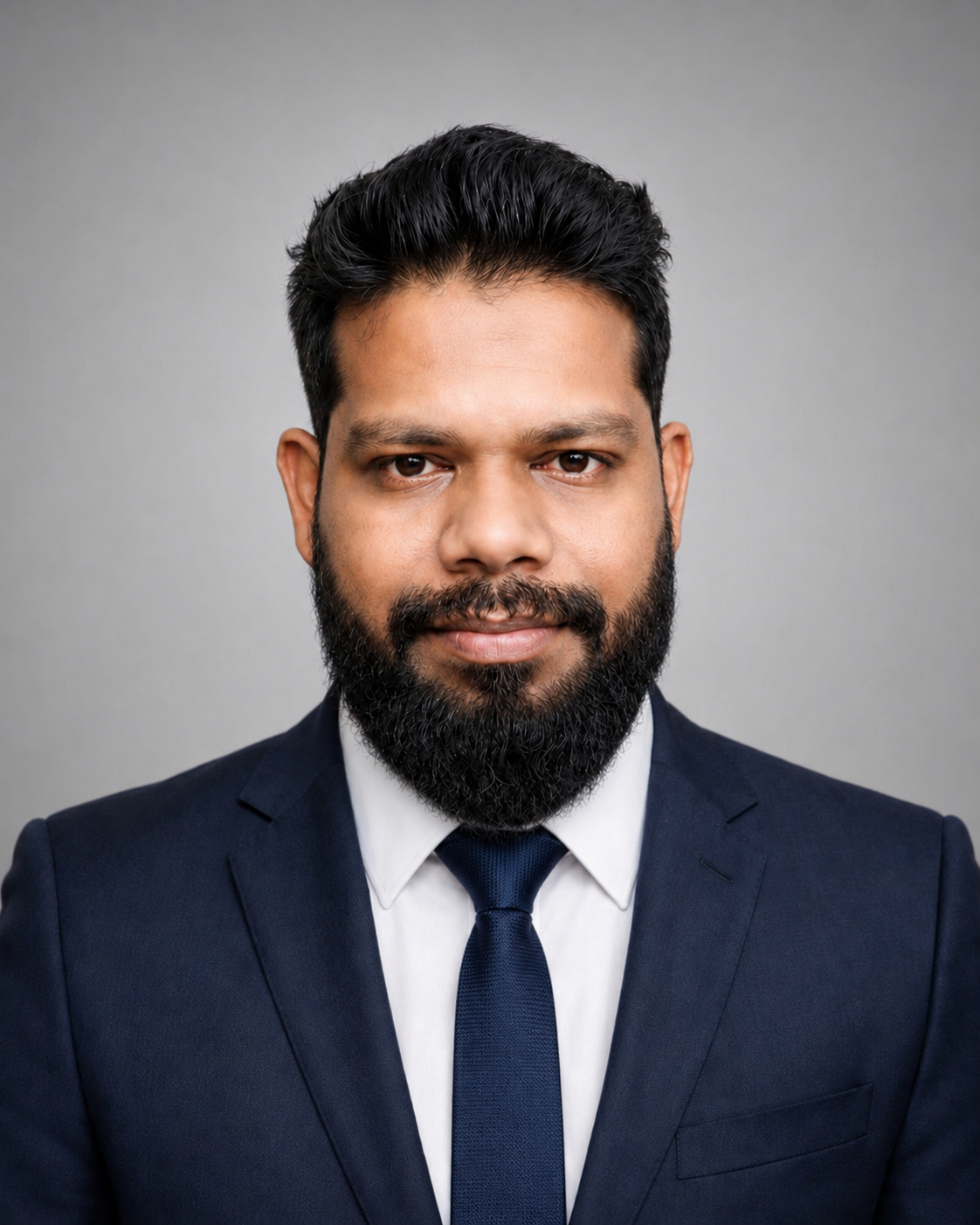
Arman Ali is the founder of Doctor Visit Bangalore, a trusted healthcare navigation platform helping patients find verified doctors, hospitals, and specialists across Bangalore and all over in India. With hands-on experience in healthcare research and patient assistance, Arman has personally helped hundreds of domestic and international patients connect with leading hospitals including Apollo, Manipal, Fortis, and Aster. His content is grounded in real hospital data, treatment cost research, and direct coordination with medical professionals across Bangalore. He specializes in medical tourism guidance, treatment cost transparency, and specialist discovery for complex conditions including cancer, cardiac surgery, and orthopedic care.
“Excellent platform for online doctor consultations. Wishing you a great success!”
Nicely explained everything.
how to overcome and what to avoid most should be mentioned and shows in pictures.